Lorem ipsum dolor sit amet

Lorem ipsum dolor sit amet, consectetur adipiscing elit, sed do eiusmod tempor incididunt ut labore et dolore magna aliqua. Adipiscing at in tellus integer feugiat scelerisque varius morbi enim. Eu turpis egestas pretium aenean pharetra magna ac. Feugiat vivamus at augue eget arcu dictum varius duis at. Senectus et netus et malesuada fames ac turpis. Odio facilisis mauris sit amet massa vitae tortor condimentum lacinia. Id semper risus in hendrerit gravida rutrum. Lacus laoreet non curabitur gravida arcu ac tortor dignissim. Tristique sollicitudin nibh sit amet commodo nulla. Mauris augue neque gravida in fermentum et sollicitudin.

Dignissim diam quis enim lobortis scelerisque. Phasellus vestibulum lorem sed risus ultricies tristique nulla. Euismod lacinia at quis risus. Mollis aliquam ut porttitor leo a diam sollicitudin. Morbi enim nunc faucibus a pellentesque sit amet porttitor eget. Purus in mollis nunc sed id semper risus in hendrerit. Etiam tempor orci eu lobortis. Augue interdum velit euismod in pellentesque massa placerat duis ultricies. Tortor id aliquet lectus proin nibh nisl condimentum id venenatis. Vitae tempus quam pellentesque nec nam aliquam sem et tortor. Mattis enim ut tellus elementum sagittis vitae et leo. Massa tempor nec feugiat nisl. Ullamcorper a lacus vestibulum sed. In nibh mauris cursus mattis molestie a iaculis. Lacus sed viverra tellus in hac. Sit amet venenatis urna cursus. Magna eget est lorem ipsum dolor sit amet consectetur adipiscing. Pellentesque habitant morbi tristique senectus et netus.

Consequat interdum varius sit amet mattis vulputate enim nulla aliquet. Urna nunc id cursus metus aliquam eleifend mi in nulla. Elit pellentesque habitant morbi tristique senectus. Ultrices eros in cursus turpis massa tincidunt dui ut. Montes nascetur ridiculus mus mauris vitae ultricies leo. Massa enim nec dui nunc mattis enim. Sed vulputate mi sit amet mauris commodo. Cursus eget nunc scelerisque viverra. Purus sit amet volutpat consequat mauris nunc. Urna nec tincidunt praesent semper feugiat nibh sed. Vehicula ipsum a arcu cursus vitae congue mauris. Dolor sit amet consectetur adipiscing elit pellentesque habitant morbi tristique.

Dolor sit amet consectetur adipiscing elit pellentesque habitant. Interdum varius sit amet mattis vulputate enim. Tempor orci eu lobortis elementum nibh tellus. Molestie nunc non blandit massa enim nec dui. Nulla malesuada pellentesque elit eget. Aliquet enim tortor at auctor urna nunc id cursus. Interdum consectetur libero id faucibus nisl tincidunt eget nullam non. Congue quisque egestas diam in arcu cursus euismod quis viverra. Pellentesque elit ullamcorper dignissim cras tincidunt lobortis feugiat vivamus. Quam viverra orci sagittis eu volutpat odio.

Malesuada nunc vel risus commodo viverra. Amet mattis vulputate enim nulla aliquet. Mauris pellentesque pulvinar pellentesque habitant morbi tristique. Tempus quam pellentesque nec nam aliquam sem. Aliquam id diam maecenas ultricies mi eget mauris pharetra et. Quis lectus nulla at volutpat diam ut. Suspendisse sed nisi lacus sed viverra tellus in. Integer eget aliquet nibh praesent tristique magna sit amet purus. Mi bibendum neque egestas congue quisque egestas diam in arcu. Lacus vestibulum sed arcu non odio euismod lacinia.

Accept
API: terms of use

By downloading content from the portal, the user undertakes to use it exclusively for non-commercial purposes and only for individual use, for professional and scientific purposes, while complying with all copyrights, other proprietary rights, and any stated limitation of rights.

Therefore, content from the portal may not be further copied, reproduced, or otherwise distributed without an express consent of the Ministry of Culture and Media.

Any use of the downloaded content must be accompanied by the note “Copyright (c) 2021, Ministry of Culture and Media of the Republic of Croatia, all rights reserved”.

Accept
Search portal

Vedutas and scenes

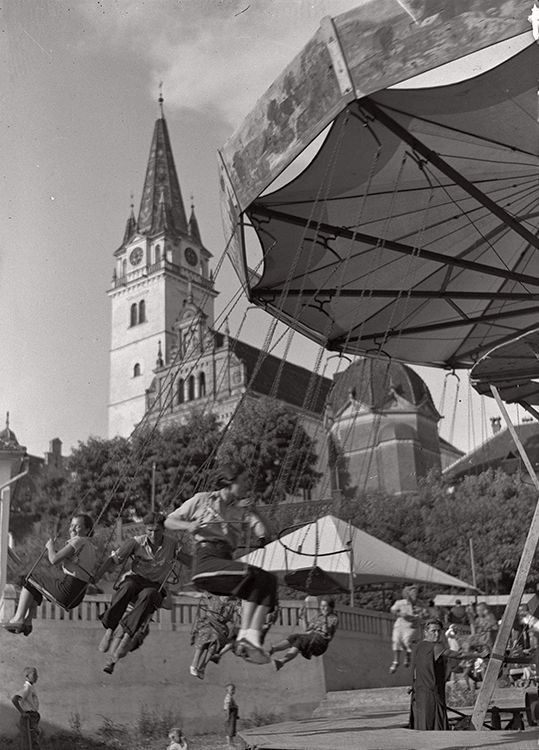
MARIJA BISTRICA (Donja Stubica)
View of the Pilgrimage Church of the Assumption of the Blessed Virgin Mary with a carousel in the foreground
Marija Bistrica is one of the most popular and frequently visited Marian shrines in Croatia. Each year, especially on the Feast of the Assumption of the Blessed Virgin Mary on August 15, many pilgrims and visitors make their way to the site. The miraculous statue of Our Lady of Bistrica remained completely unharmed in the 1880 fire that destroyed much of the church except for the altar housing the statue of the Virgin. Following this unfortunate event, the church was rebuilt according to designs by architect Herman Bollé, during which it was significantly enlarged and enclosed by an architectural fence known as the cintura.
During pilgrimage days, a fair is held near the church featuring local crafts and handmade products, among which licitar hearts and traditional wooden toys stand out. Due to their originality and cultural value, these were inscribed in 2009 on UNESCO’s Representative List of the Intangible Cultural Heritage of Humanity. Naturally, amusement attractions such as carousels and other forms of entertainment are also present—almost inevitably then as now, especially in times before tablets and PlayStations.

Vladimir Horvat, 1931.

Ministry of Culture and Media of the Republic of Croatia
Photo archive of cultural heritage

Inv. No. 33034, neg. III-1183
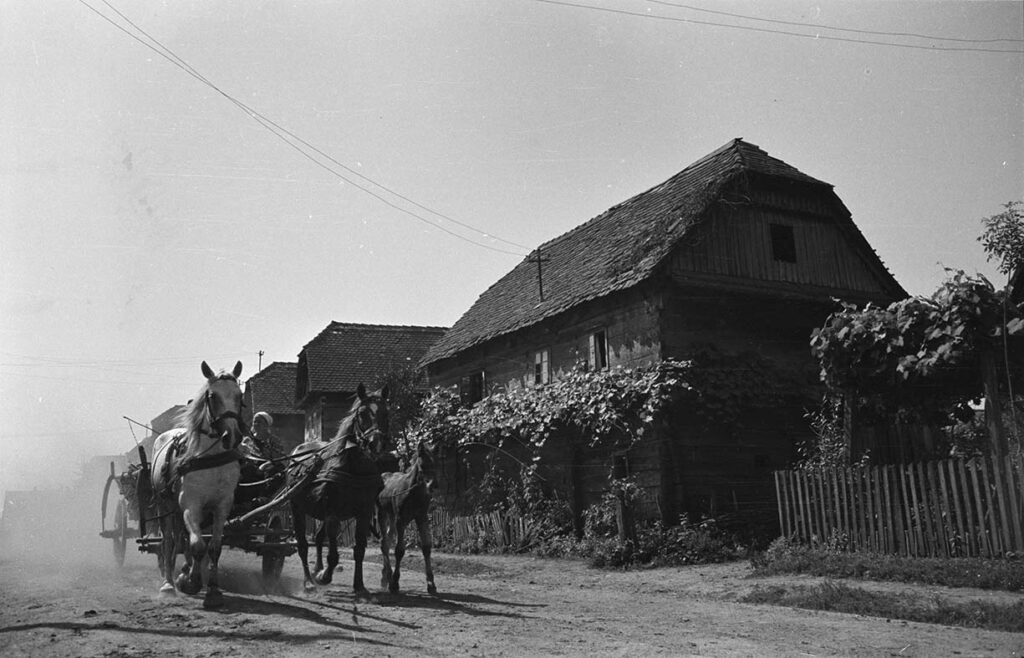
GREDA (Sunja, Sisak, The Central part of Croatia)
View of the Posavina village with wooden houses with porches and a horse-drawn carriage

Nino Vranić, 1963.

Ministry of Culture and Media of the Republic of Croatia
Photo archive of cultural heritage
Inv. No. 26827, neg. I-C-246
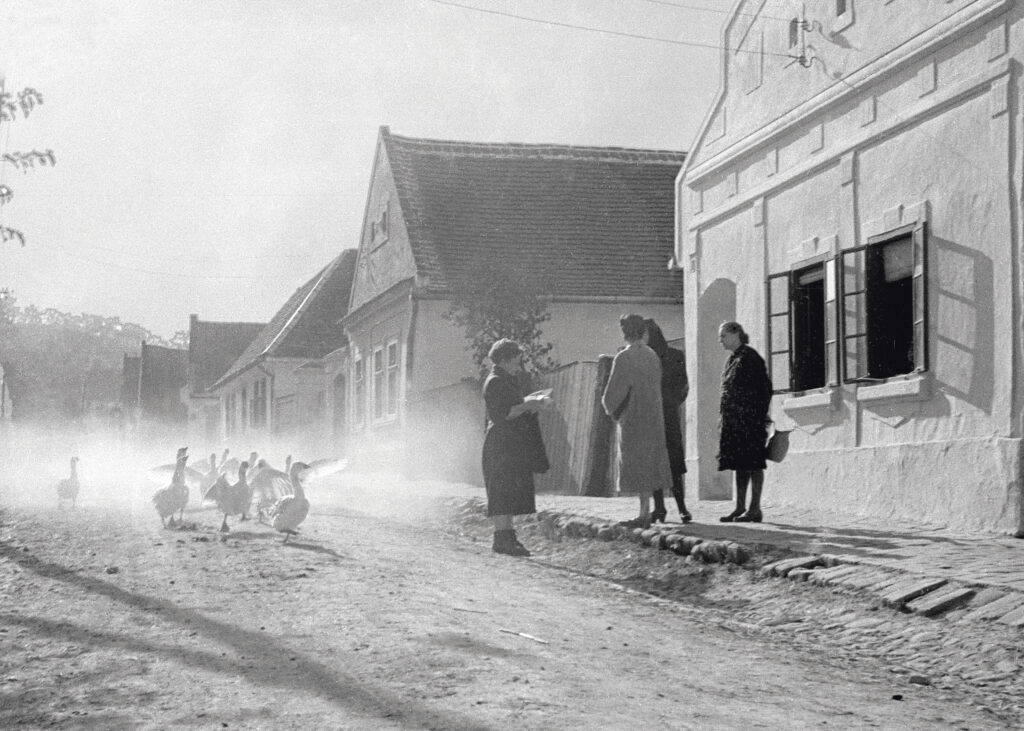
ILOK
Donjogradska Street with conservators engaged in an informative conversation with the locals, while a cloud of dust rises from an approaching flock of geese.

Nino Vranić, 1956.

Ministry of Culture and Media of the Republic of Croatia
Photo archive of cultural heritage

Inv. No. 20376, neg. I-C-164
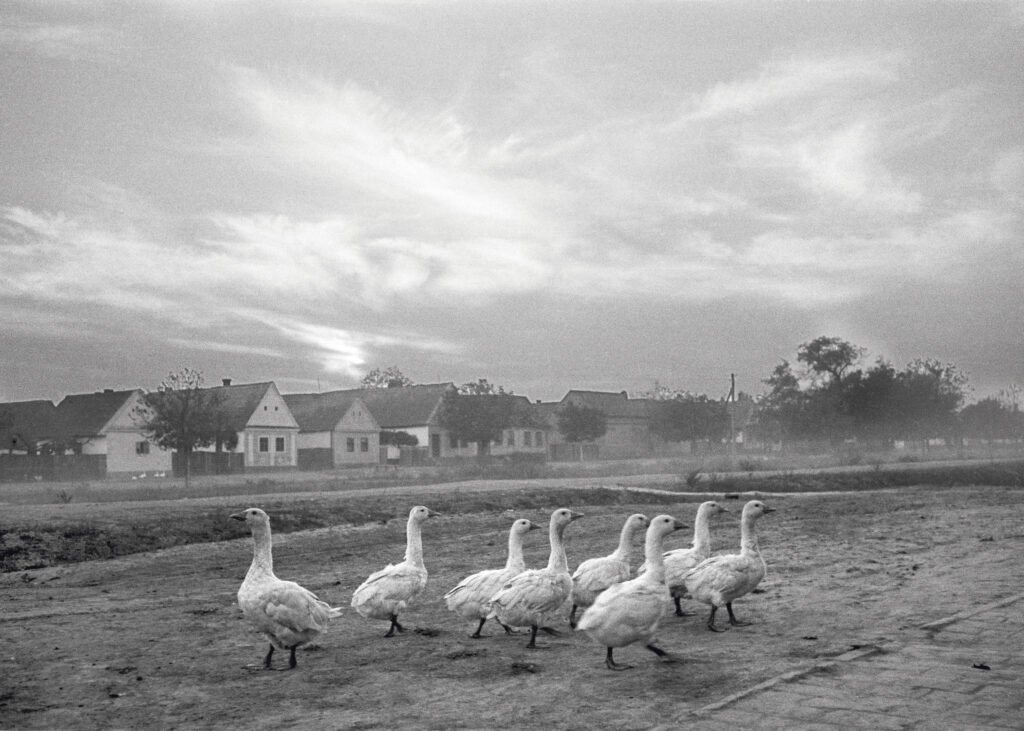
STROŠINCI (Županja, eastern part of Croatia)
A view of a Slavonian Posavina village at dusk with a flock of geese

Nino Vranić, 1961.

Ministry of Culture and Media of the Republic of Croatia
Photo archive of cultural heritage

Inv. No. 23563, neg. I-A-209
POGANOVCI (Našice, Slavonia, eastern part of Croatia)
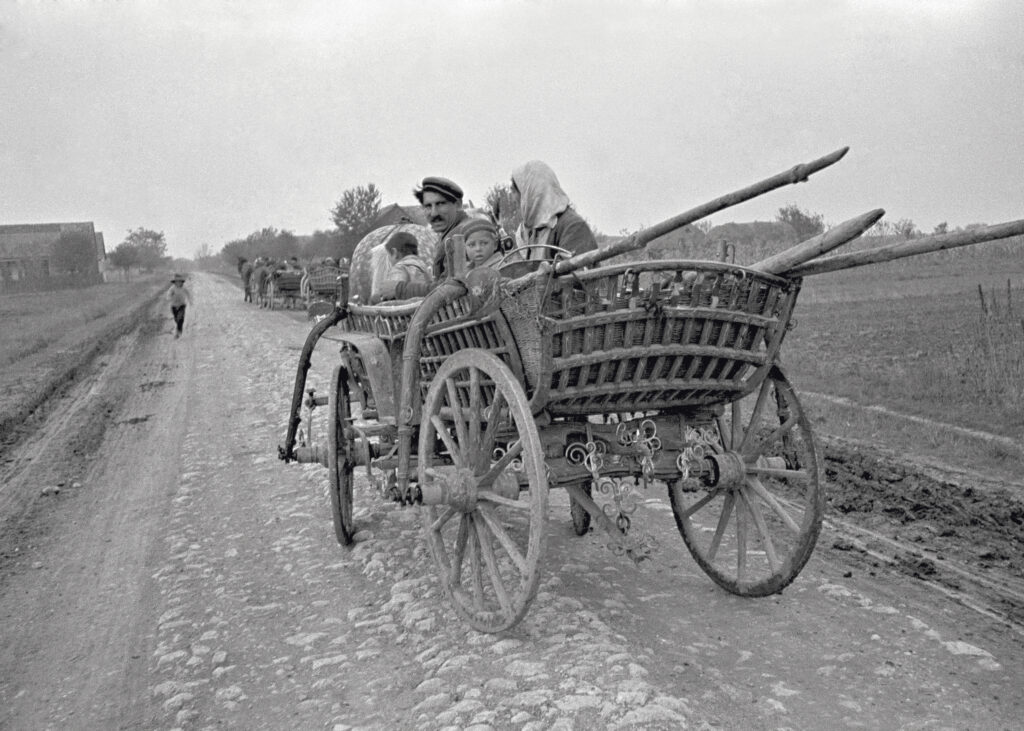
Romani caravan on a road made of broken stone, cobblestones

Nino Vranić, 1958.

Ministry of Culture and Media of the Republic of Croatia
Photo archive of cultural heritage
Inv. No. 19621, neg. I-B-154
BISTRAČ (Sisak, Banovina, The Central part of Croatia)
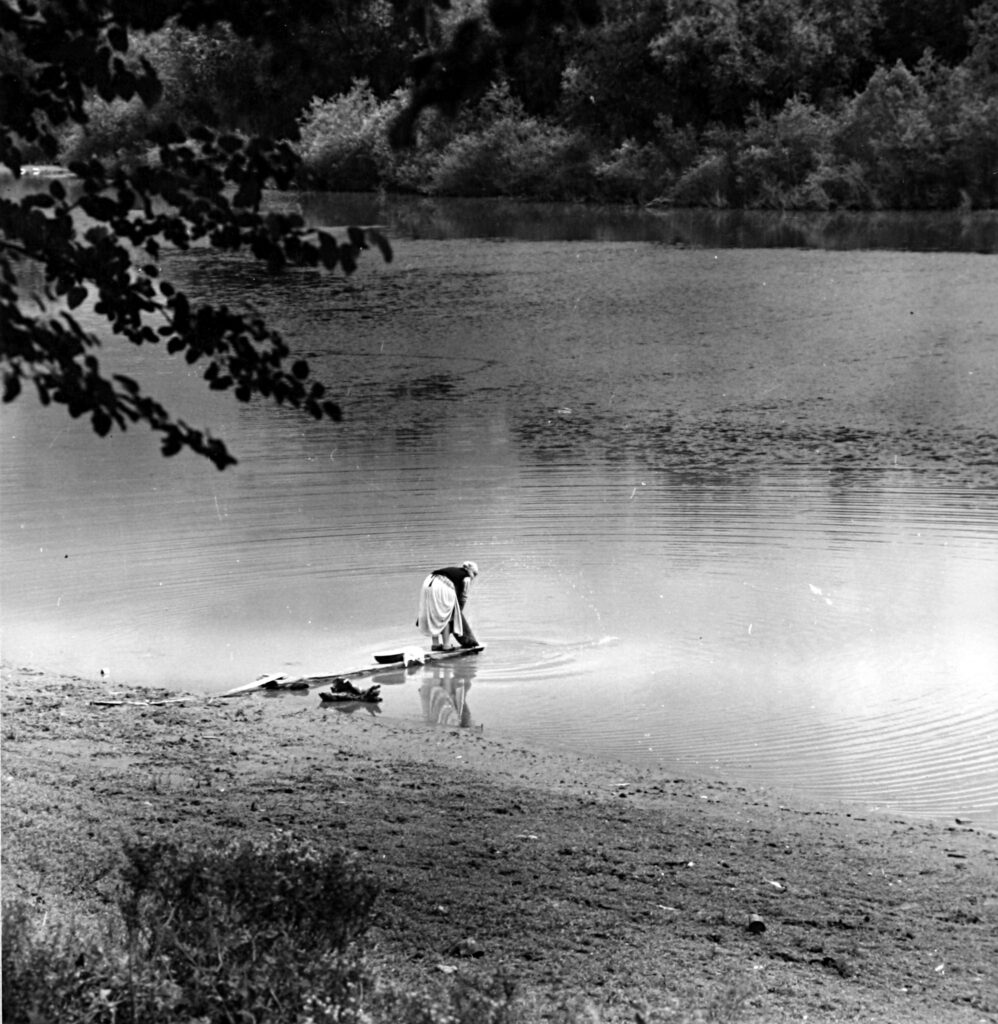
Lonely washerwoman at Tišina, a branch of the Sava River
Have you ever thought – or maybe you are thinking at the moment when you look at this idyllic photo – what was the life of women before the construction of the water network and before the washing machines began to be used in the middle of the last century, although at first only in urban areas? Most people, especially housewives, consider the invention of the washing machine to be the most important invention among household appliances.
Today, it is difficult for many to imagine that women once washed clothes at city fountains, at public brick laundromats, at laundromats along the seashore by springs of sweet ode, at larger natural ponds and puddles, or at rivers and their backwaters, and even on streams. Washing clothes on the rivers was widespread throughout ourcountry, but also much, much wider. When washing clothes on the river, women used a board with which they would go a little deeper into the water. They would wash laundry by rubbing it against a wooden trough, later also against a metal plate, rifljača, and by hitting it with a wooden board, pralka. This painstaking work would take all day, so women often did it in groups and in conversation.

Nino Vranić, 1973.

Ministry of Culture and Media of the Republic of Croatia
Photo archive of cultural heritage
Inv. No. 36810, neg. II-9734
BATANYA (Eastern Croatian plain)
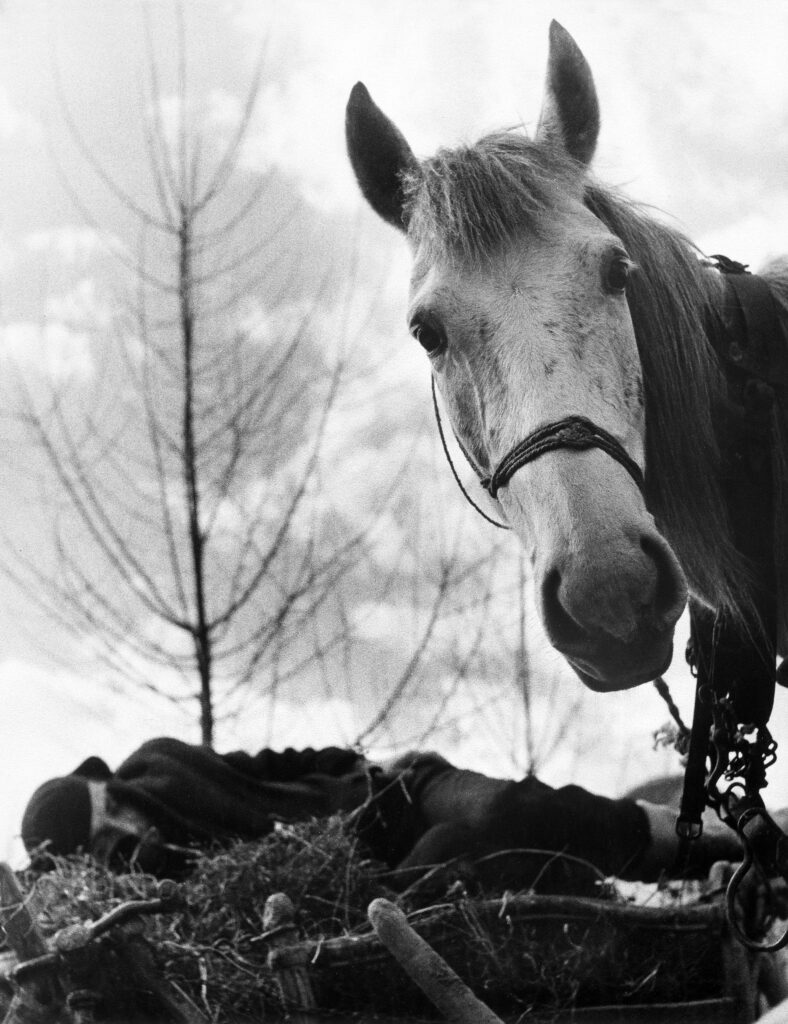
Vigil over the sleeping master

Nino Vranić, 1984.

Ministry of Culture and Media of the Republic of Croatia
Photo archive of cultural heritage
Nino Vranić’s legacy
VODICE (Ćićarija, northern part of Istria, towards the border with the Republic of Slovenia)
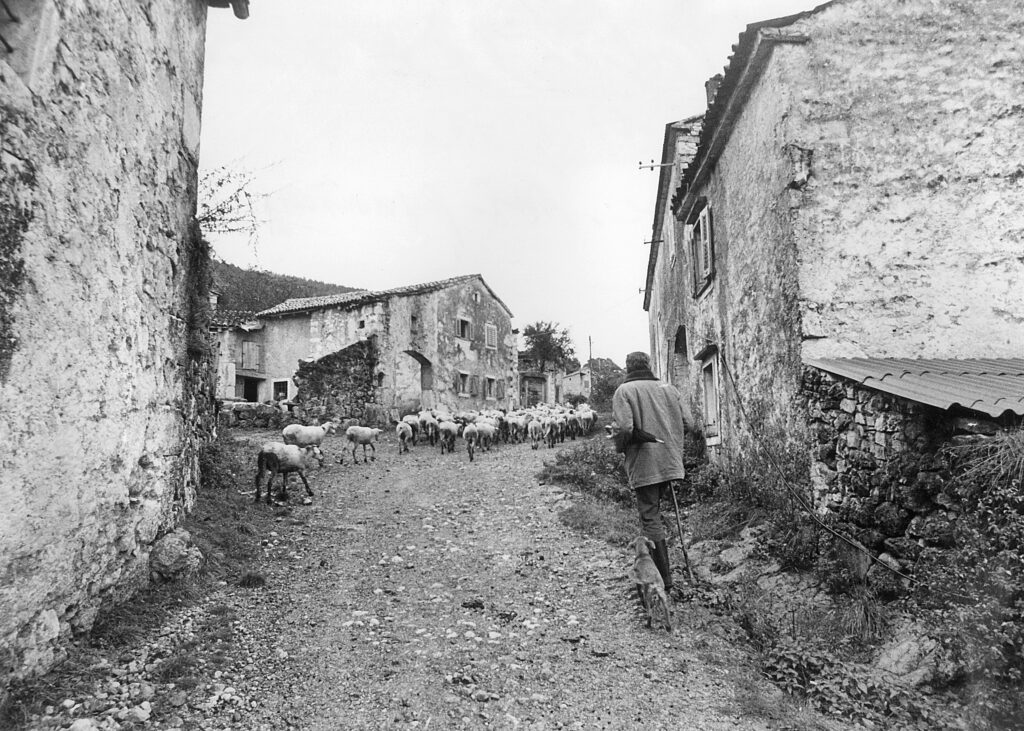
Departure of the flock of sheep to pasture
The main economic branch of the population of Vodice until the end of the 19th century was animal husbandry, both sheep and cattle breeding. At that time, sheep were counted in groups of forty sheep. Some households in the village used to have forty kvarnari each, or one thousand and six hunderd sheep. Back then, everything came down to the kvarnari and in the village there would often be discussions about how many kvarni has who, one, two or three?” In the 20th century, the population began to turn more and more to the production of charcoal. Today, in the 21st century, only one family in the area of Ćićarija, the Zlatić family, is interested in sheep farming. They own one hundred and twenty sheep, that is, three kvarnari of the protected autochthonous Istrian sheep breed, and they mostly sell their products on their doorstep.

VINKO MALINARIĆ, 1975.

Ministry of Culture and Media of the Republic of Croatia
Photo archive of the Conservation Department in Rijeka
Inv. No. 63066, neg. I-37263
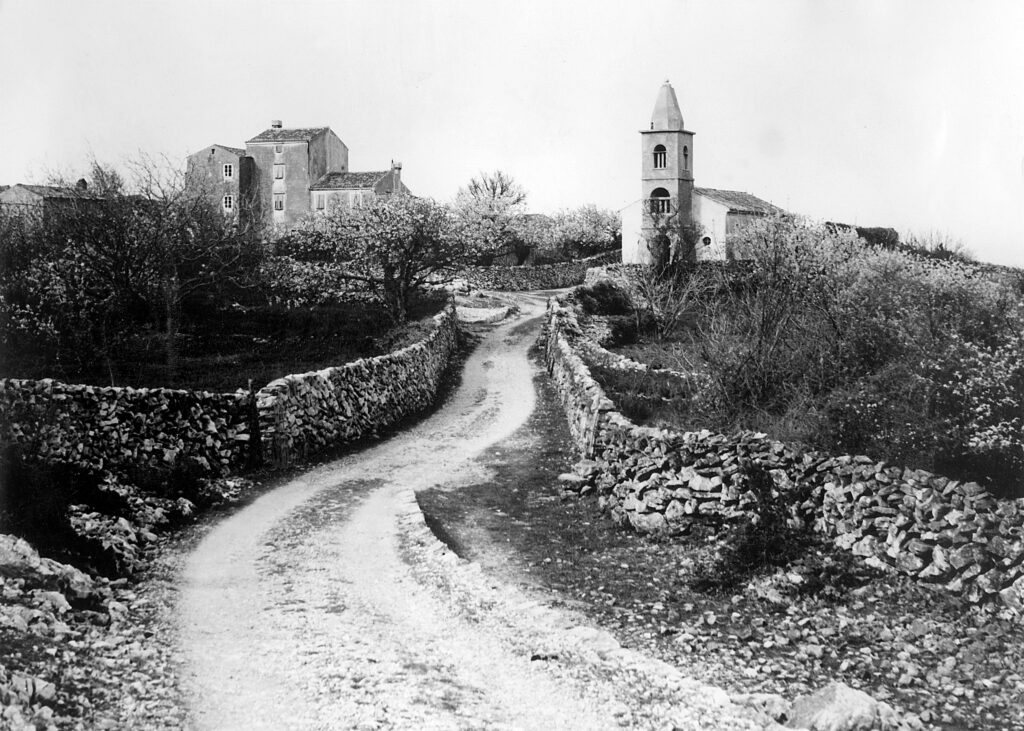
PREDOŠĆICA (northern part of the island of Cres)
In the interior of the island, halfway between the town of Cres and the port of Porozina, is the beautiful town of Predošćica with a picturesque approach road surrounded by dry stone walls, fruit trees in bloom, once distinguished estates and the church of St. Blasius. In 1969, when this photo was taken, the stagnation of the place had already begun because the local school closed its doors in 1962.

VINKO MALINARIĆ, 1969.

Ministry of Culture and Media of the Republic of Croatia
Photo archive of the Conservation Department in Rijeka
Inv. No. 27007, neg. II-8859
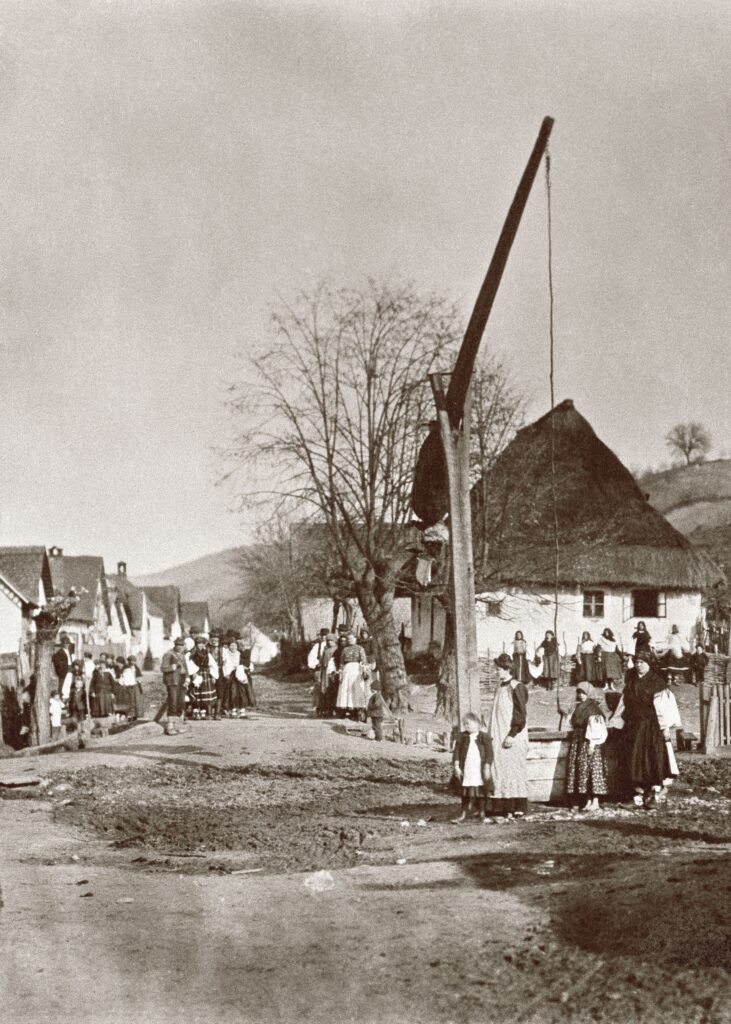
DOLAC (Požega, Slavonia, eastern part of Croatia)
Locals pose for the distinguished professor and photographer in their everyday surroundings
In the foreground is a well na đeram (a forked pole on which a long pole with a weight on the back and a bucket on the front is placed for easier extraction of water from the well), and in the background ušoreno selo (a village organized along a straight path and road).

prof. Julije Kempf, 20th century

Ministry of Culture and Media of the Republic of Croatia
Photo archive of the Conservation Department in Osijek
Neg. 52530B
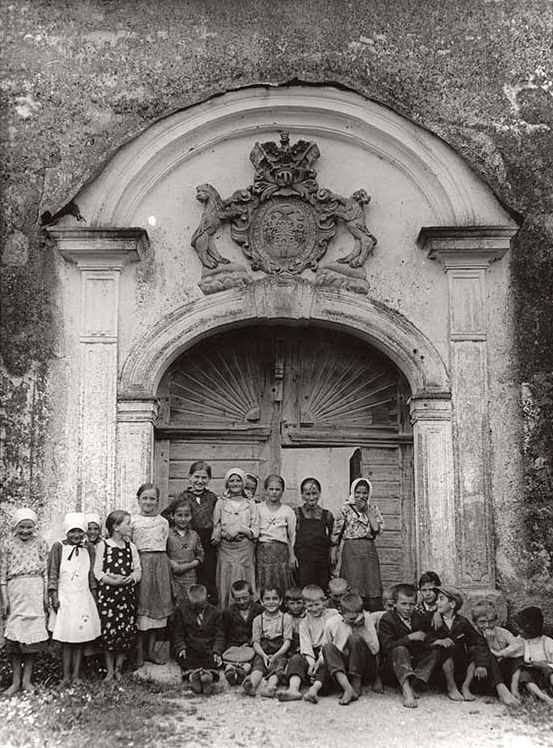
LUKAVEC (Velika Gorica)
Fortress-castle, detail with children
A group of children poses in front of a baroque portal with a coat of arms. The portal is part of a baroque castle, built in the middle of the 18th century on the site of a wooden fort, that served to defend Turopolje nobility during the Ottoman invasion of Croatian territories.

Unidentified author, 30’s year of the 20th century

Ministry of Culture and Media of the Republic of Croatia
Photo archive of the Conservation Department in Zagreb
Inv. No. 5918
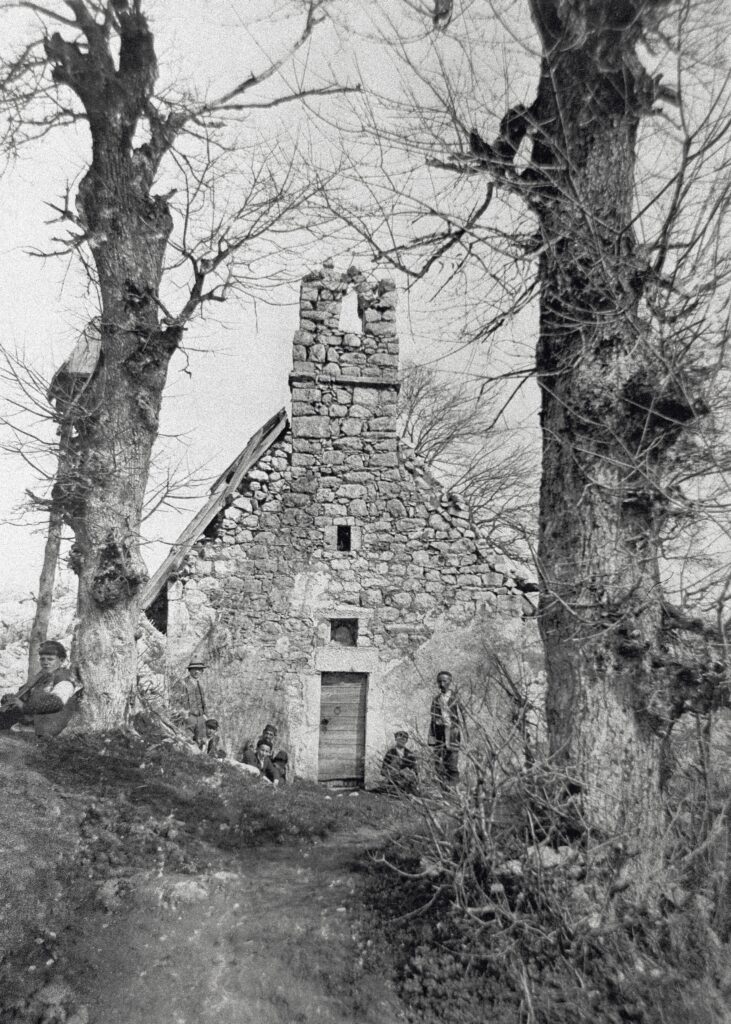
VOLARICA (Ostrovica Lička, Gospić, Lika)
Chapel of St. John the Baptist
Under the medieval fortress of Ostrovica Lička, in a narrow valley between two hills, there is a stone village chapel, most likely built in the 13th or 14th century, when the fortress itself was built. The chapel is probably based on the site of an older chapel of the former old Croatian settlement. Not far from the church is a source of living water, called the Kovčeg, which never dries up. In the course of history, in this area marked by the rule of the princes Disislavić, then Frankopan, then Turks, this chapel met the beginning of the 20th century with a significantly dilapidated, damaged roof and bell tower. Only newer wooden doors defy age. In front of the chapel, whose facade is picturesquely complemented by two gnarled trees with branches without leaves, a few locals pose.

Ivan Rupčić, oko 1910.

Ministry of Culture and Media of the Republic of Croatia
Photo archive of cultural heritage
Inv. No. 7278